
Five centuries
The Story of Our Pastries
Almost nothing in our display was invented by us. These recipes crossed convents, famines and generations before reaching this counter.
- Homemade
- Portuguese quality
- Restaurant
- Manufatura de Sabores
- Bakery and pastry in Porto
- Artisan flavours

Cavacas
Cavacas belong to the old traditions of Portuguese confectionery and exist in several regional versions. In Resende, in the north of Portugal, they are historically tied to fairs, pilgrimages and village festivals. Their reputation was already well established in the nineteenth century. In Caldas da Rainha, commercial production is documented from 1874, thanks to Jesuína da Conceição Garcia. They remain a symbol of how varied traditional Portuguese confectionery is.
Rye bread
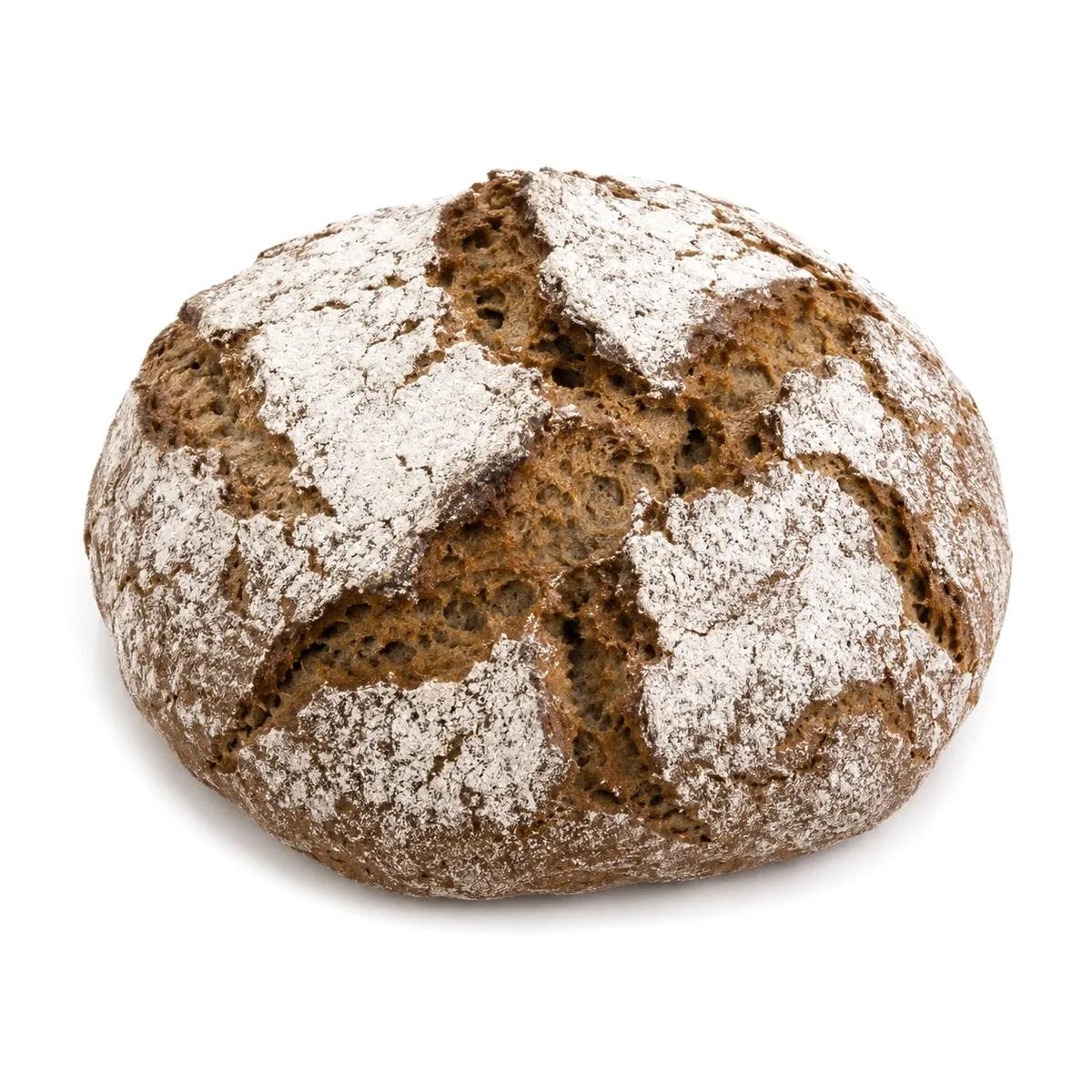
Rye bread belongs to the old Portuguese baking tradition, above all in the inland and northern regions. For centuries rye was one of the most widely grown cereals there, because it stands up to poor soils and harsher weather. Milled into flour, it made a firm, nourishing loaf that was part of the daily food of rural families. With its distinctive taste and dense crumb, it remains an important inheritance from that rural tradition.
Broa de milho
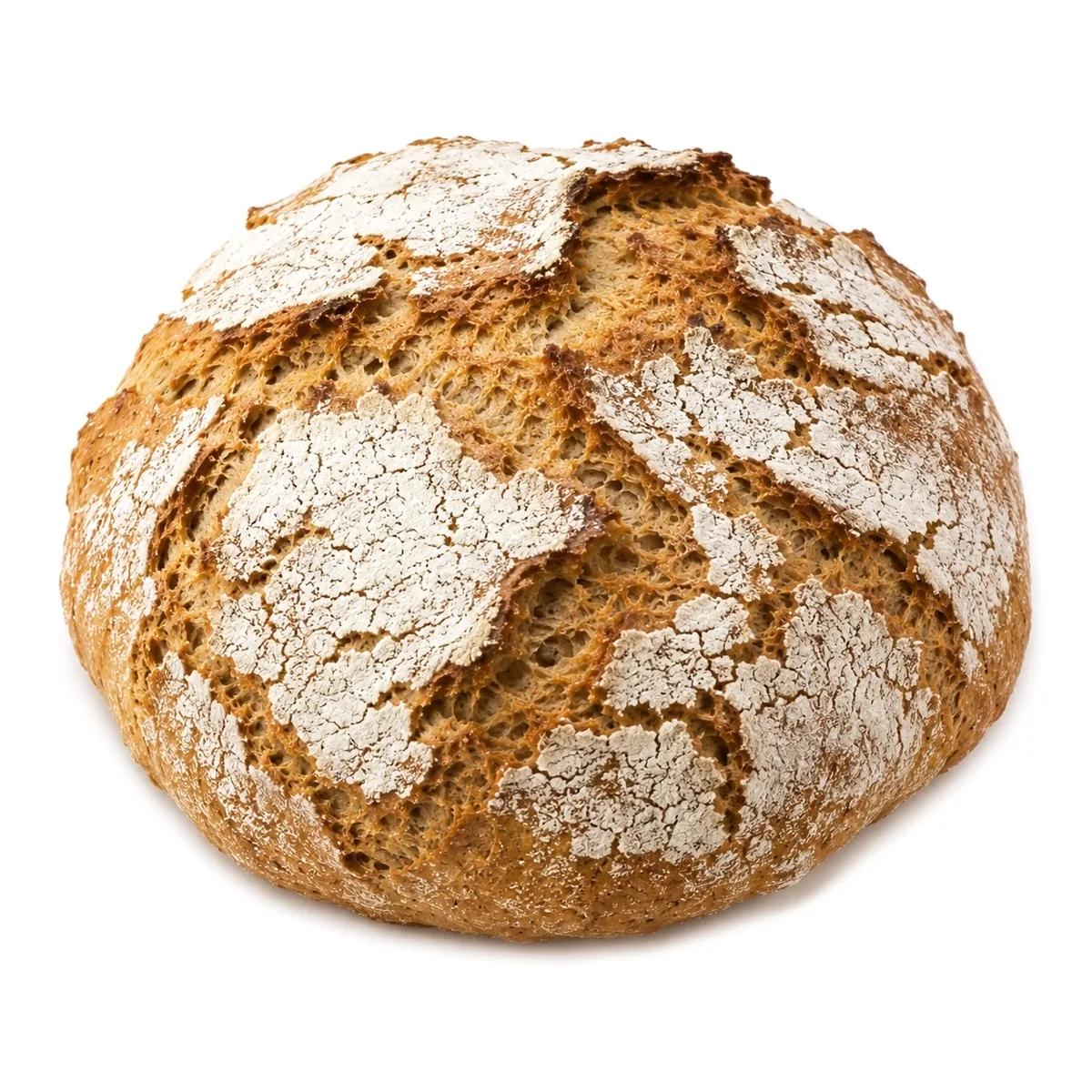
Rooted deep in the rural tradition of northern Portugal, broa de milho took shape after maize arrived from the Americas in the sixteenth century. That cereal gradually became essential to the diet of rural communities. Maize flour, sometimes blended with rye, made a nourishing loaf meant for daily eating. Traditionally baked in wood-fired ovens, broa remains a fixture of Portuguese cooking.
Pastel de nata
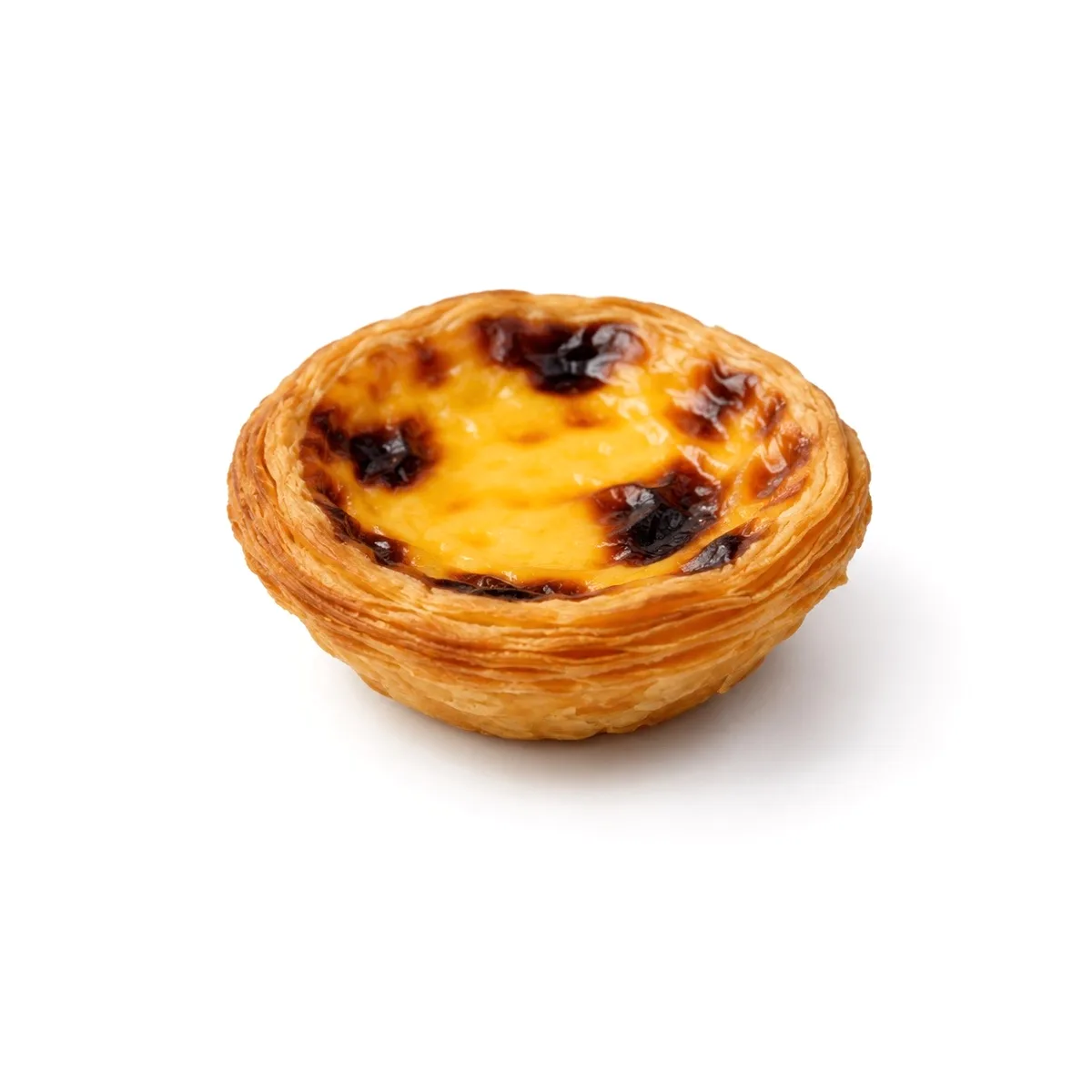
The pastel de nata has its roots in the convent confectionery of Portugal, where egg yolks and sugar were used in quantity. Its history is tied in particular to the Jerónimos Monastery in Belém. After the religious orders were dissolved in 1834, a recipe from that tradition began to be sold near the monastery. In 1837 production of the famous Pastéis de Belém began. This small tart has been one of the great symbols of Portuguese food ever since.
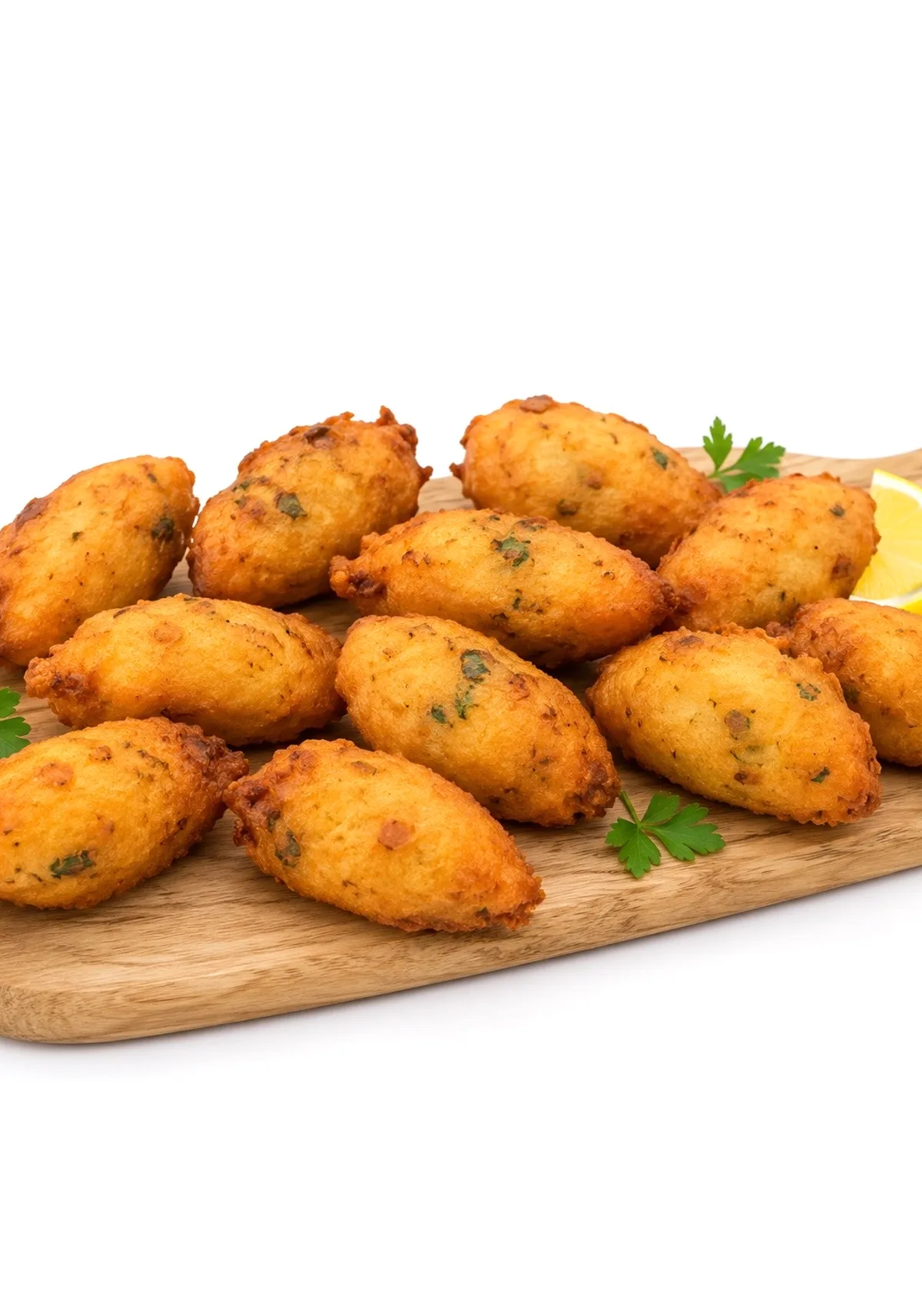
Bolinhos de bacalhau
Salt cod sits at the centre of Portuguese culinary history, and bolinhos de bacalhau are one expression of that tradition. The first known recipe under the name «bacalhau feito em bolinhos» appeared in 1841, in Arte do Cozinheiro e do Copeiro. It evolved into the combination we know today: flaked salt cod, potato, egg and parsley. Enjoyed across the country, they are also called pastéis de bacalhau in several regions.